Posts

MAHA PURANAS - 7. Swami Sivananda

Image
================================================================ ------------------------------------------------------------------------------ Monday, May 18, 2020. 1.INTRODUCTION : 7. ------------------------------------------------- The Maha Puranas have also been classified based on a specific deity, although the texts are mixed and revere all gods and goddesses:     Brahma: Brahma Purana, Padma Purana, Surya Purana, Brahma Vaivarta Purana Agni Purana     Saiva: Shiva Purana, Linga Purana, Skanda Purana, Varaha Purana, Vamana Purana, Kurma     ''''Purana, Matsya Purana, Markandeya Purana, Bhavishya Purana, Brahmanda Purana     Vishnu Purana, Bhagavata Purana, Naradeya Purana, Garuda Purana, Vayu Purana, Varaha Purana. -------------------------------------------------------------------------------------------- The Padma Purana, Uttara Khanda (236.18-21),[52] itself a Vaishnava Purana, classifies the Puranas in accordanc...
MAHA PURANAS - 6. Swami Sivananda

Image
======================================================================== ------------------------------------------------------------------------------------------------------------------------- 23/02/2020. 1.INTRODUCTION : 6. -------------------------------------------------------------------------------------------------------------------------- 1. 13.Shiva Purana:  24,000 verses. Discusses Shiva, and stories about him. 14. Skanda Purana:  81,100 verses. Describes the birth of Skanda (or Karthikeya), son of Shiva. Being the longest Purana, it is an extraordinarily meticulous pilgrimage guide, containing geographical locations of pilgrimage centers in India, with related legends, parables, hymns and stories. Many untraced quotes are attributed to this text. 15. Vamana Purana: 10,000 verses. Describes North India, particularly Himalayan foothills region. 16. Varaha Purana:  24,000 verses. Primarily Vishnu-related...

MAHA PURANAS - 5. Swami Sivananda

Image
======================================================================== ------------------------------------------------------------------------------------------------------------------------ 05/02/2020. 1.INTRODUCTION : 5. ------------------------------------------------------------------------------------------------------------------------ 9. Markandeya Purana : 9,000 verses. Describes Vindhya Range and western India. Probably composed in the valleys of Narmada and Tapti rivers, in Maharashtra and Gujarat. Named after sage Markandeya, a student of Brahma. Contains Chapters on dharma and on Hindu epic Mahabharata. The Purana includes Devi Mahatmyam of Shaktism. -------------------------------------------------------------------------------------------------------------------------- 10. Matsya Purana : 14,000 verses. An encyclopedia of diverse topics. Narrates the story of Matsya, the first of ten major Avatars of Vishnu. Likely composed in west I...

MAHA PURANAS -4. Swami Sivananda

Image
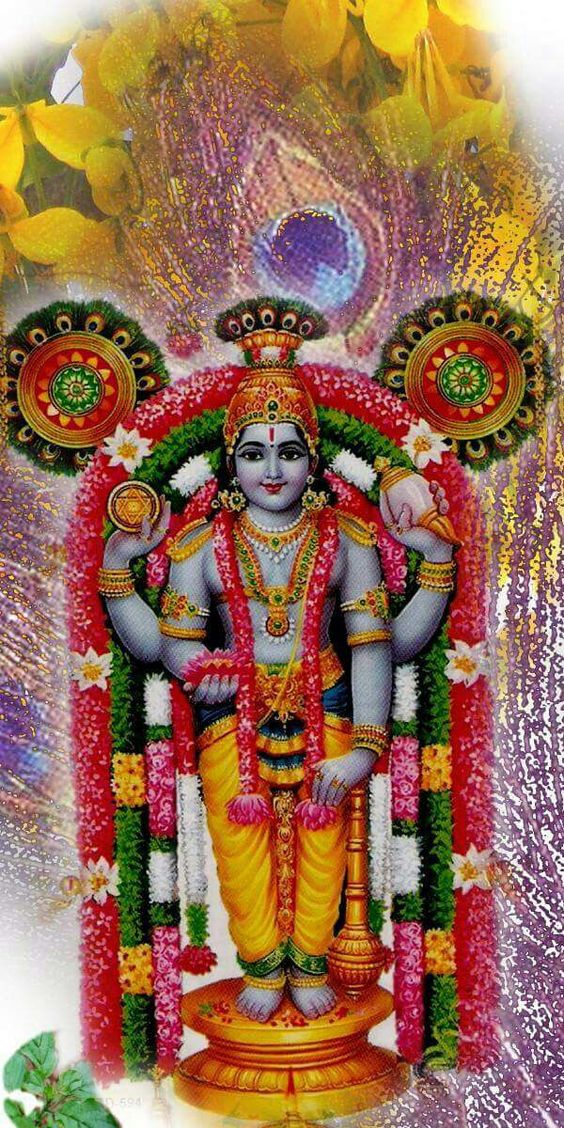
======================================================================== #Garuda Temple, Triprangode, Kerala ======================================================================== 24/12/2019. 1.INTRODUCTION : 4. ======================================================================= Vellamassery Garudan Kavu, Kerala ====================================================================== 6. Garuda Purana : 19,000 verses. An encyclopedia of diverse topics. Primarily about Vishnu, but praises all gods. Describes how Vishnu, Shiva and Brahma collaborate. Many Chapters are a dialogue between Vishnu and the bird-vehicle Garuda. Describes cosmology, relationship between gods. Discusses ethics, what are crimes, good verses evil, various schools of Hindu philosophies, the theory of Yoga, the theory of "heaven and hell" with "karma and rebirth", includes Upanishadic discussion of self-knowledge as a means of moksha. Includes Chapters on rivers, ge...

MAHA PURANAS - INTRODUCTION : 3.

Image
======================================================================= -------------------------------------------------------------------------------------------------------------------------- 10/10/2019 Introduction : 3. ------------------------------------------------------------------------------------------------------------------------- Of the many texts designated 'Puranas' the most important are the Mahapuranas or the major Puranas. These are said to be 18 in number, divided into three groups of six, though they are not always counted in the same way. Agni Purana: 15,400 verses. Contains encyclopedic information. Includes geography of Mithila (Bihar and neighboring states), cultural history, politics, education system, iconography, taxation theories, organization of army, theories on proper causes for war, diplomacy, local laws, building public projects, water distribution methods, trees and plants, medicine, Vastu Shastra (architecture), gemology, g...

MAHA PURANAS - INTRODUCTION : 2.

Image
======================================================================= -------------------------------------------------------------------------------------------------------------------------- 18/09/2019 Introduction : 2. -------------------------------------------------------------------------------------------------------------------------- Vyasa, the narrator of the Mahabharata, is hagiographically credited as the compiler of the Puranas. The date of the production of the written texts does not define the date of origin of the Puranas. They existed in an oral form before being written down, and were incrementally modified well into the 16th century. An early occurrence of the term 'Purana' is found in the Chandogya Upanishad (7.1.2), translated by Patrick Olivelle as "the corpus of histories and ancient tales" (The Early Upanisads, 1998, p. 259). The Brhadaranyaka Upanishad refers to Purana as the "fifth Veda", itihasapura?a? pañcama? vedana?,...

MAHA PURANAS - INTRODUCTION : 1.

Image
06/08/2019 Maha Puranas -1. Introduction : 1. The word Puranas  literally means "ancient, old", and it is a vast genre of Indian literature about a wide range of topics, particularly myths, legends and other traditional lore. Composed primarily in Sanskrit, but also in regional languages, several of these texts are named after major Hindu deities such as Vishnu, Shiva and Devi. The Puranas genre of literature is found in both Hinduism and Jainism. The Puranic literature is encyclopedic, and it includes diverse topics such as cosmogony, cosmology, genealogies of gods, goddesses, kings, heroes, sages, and demigods, folk tales, pilgrimages, temples, medicine, astronomy, grammar, mineralogy, humor, love stories, as well as theology and philosophy. The content is highly inconsistent across the Puranas, and each Purana has survived in numerous manuscripts which are themselves inconsistent. The Hindu Puranas are anonymous texts and likely the work of many authors over the cen...

GLORY OF LORD SIVA : 5. SWAMI SIVANANDA

Image
20/06/2019 5. PANCHAKSHARA NAMAVALI : Sivaya Nama Om Sivaya Namah; Sivaya Nama Om Namah Sivaya. Siva Sambho Sadasiva, Sambho Sadasiva, Sambho Sadasiva Bhum Bhum Bhum. Hara Hara Siva Siva Sambho, Hara Hara Siva Siva, Hara Hara Sambho, Siva Siva Sambho. Rudra is the destructive aspect of Siva. There are eleven Rudras in the cosmic hierarchy. Esoterically the Pranas and the mind represent the eleven Rudras. Sri Hanuman is a manifestation or aspect of Siva only. THESE ARE THE 25 LILAS (SPORTIVE PLAYS) OR MANIFESTATIONS OF LORD SIVA. 1. Wearing of moon on the head. 2. Living with Uma Devi. 3. Riding on Nandi. 4. Tandava dancing with Kaali. 5. Marriage with Parvati. 6. Begging. 7. Burning of Manmatha or the God of Love. 8. Victory over Yama the God of death. 9. Burning of Tripuras. 10. Killing of Jalandarasura. 11. Killing of Gajasura. 12. Incarnation of Virabhadra. 13. Harihara. 14. Ardhanareesvara. 15. Trans- forming into Kirata. 16. Assuming the form of Kankala. 17. Ble...

GLORY OF LORD SIVA : 4. SWAMI SIVANANDA

Image
11/05/2019 4. JYOTIRLINGAS THE FOLLOWING ARE THE TWELVE JYOTIRLINGAS OF LORD SIVA: Somanath in Gujarat. Mallikarjuna in Srisaila Parvat in Andhra Pradesh. Mahakala in Ujjain in Madhya Pradesh. Omkaresvar on the banks of Narmada in Amalesvarm. Baijnath near Gaya (Paralya). Naganath in Southern India. Kedarnath in Himalayas, Uttar Pradesh. Tryambak, near the source of the Godavari in the Nasik District, Maharashtra. Ramesvaram, in Ramnad district, Tamil Nadu. Bhima Sankar, near Poona. Visvanath in Benares. Grishnesvar (Gokarna) in Karwar district, Karnataka. Even if people remember these 12 places both morning and evening, the sins of seven births will be destroyed. In Southern India, there are five famous Siva Lingas which represent the five elements. In Shiyali, Tanjore district, there is Prithvi Lingam. In Tiruvana Koil, Trichinopoly district, there is Appu Lingam. The Lingam is always in water. Tiruvana Koil is otherwise known as Jambukesvaram...

GLORY OF LORD SIVA : 3. SWAMI SIVANANDA

Image
26/04/2019 3. Kailas hills in Tibet are a huge range with a central, beautiful, naturally carved and decorated shining peak, eternally clad with silvery snow 22, 980 feet above sea-level. Some take the height to be 22, 028 feet. This particular peak is in the form of a natural, huge Siva Linga (Virat Form). This is worshipped as the form of Lord Siva from a distance. There is neither a temple nor a Poojari nor a daily Pooja there. I had the fortune to have Darshan of Kailas through the grace of Lord Siva on July 22, 1931. I even climbed with panting breath to the foot of Kailas peak where the Indus takes its origin. It is a very picturesque, soul-stirring scenery. You will have to ascend from Didipha Gupha, the first halting stage in Parikrama of Kailas. The Indus gushes out as a small streamlet through blocks of ice from behind the back portion of Kailas peak. Though in the pictures of Lord Siva it is shown that the Ganga flows from His head, it is really the Indus that takes...

GLORY OF LORD SIVA : 2. SWAMI SIVANANDA

Image
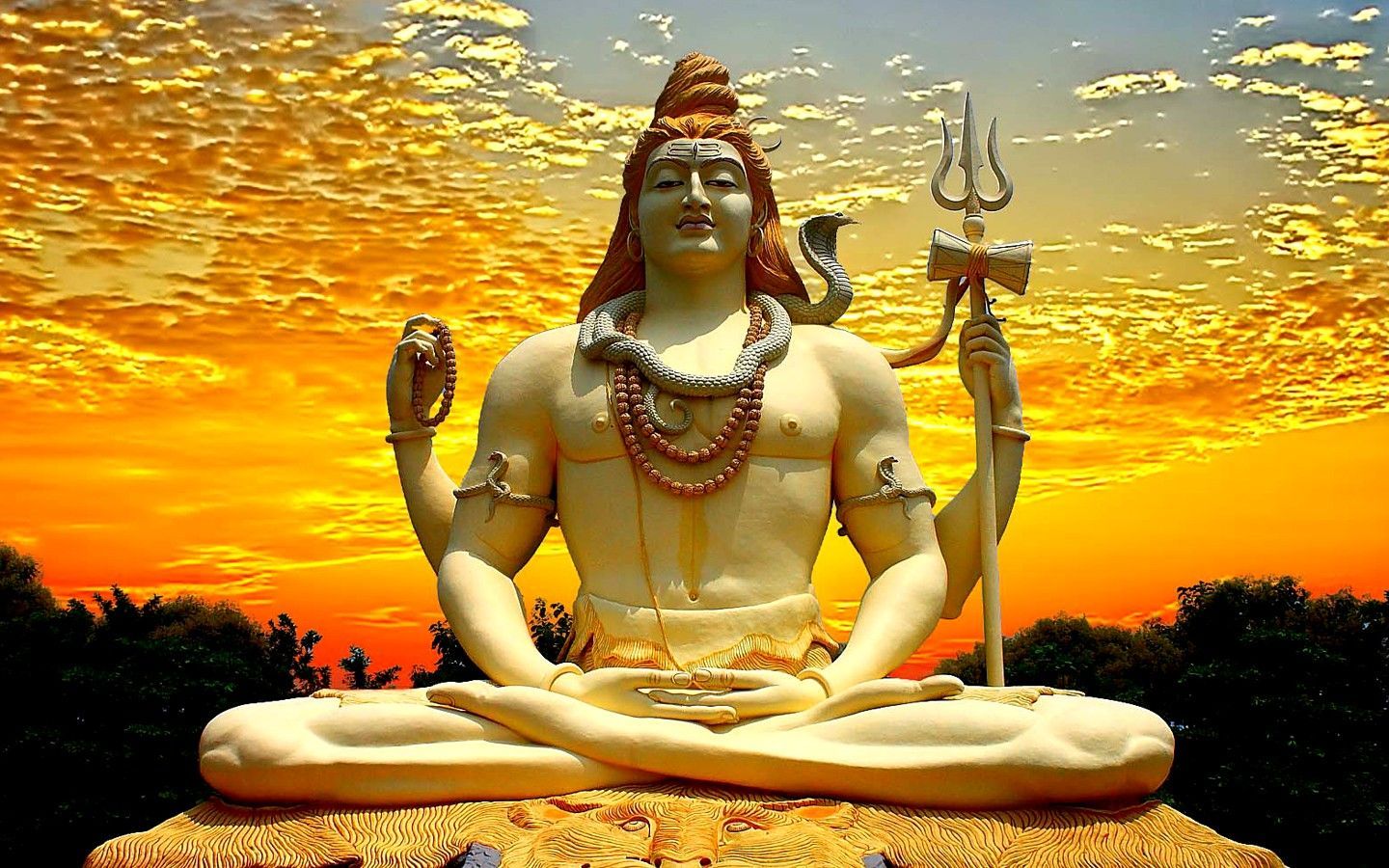
29/03/2019 2. Lord Siva represents the destructive aspect of Brahman. That portion of Brahman that is enveloped by Tamo-Guna-Pradhana-Maya is Lord Siva who is the all-pervading Isvara and who also dwells in Mount Kailas. He is the Bhandar or store-house for wisdom. Siva minus Parvati or Kaali or Durga is pure Nirguna Brahman. With Maya (Parvati) He becomes the Saguna Brahman for the purpose of pious devotion of His devotees. Devotees of Rama must worship Lord Siva also. Rama Himself worshipped Lord Siva at the famous Ramesvaram. Lord Siva is the Lord of ascetics and Lord of Yogins robed in space (Digambara). His Trishul (trident) that is held in His right hand represents the three Gunas-Sattva, Rajas and Tamas. That is the emblem of sovereignty. He wields the world through these three Gunas. The Damaru in His left hand represents the Sabda Brahman. It represents OM from which all languages are formed. It is He who formed the Sanskrit language out of the Damaru sound. The wea...

GLORY OF LORD SIVA-1 : SWAMI SIVANANDA

Image
07/01/2019 Om. I bow with folded hands to Lord Siva, who is the Lord of the universe (Jagat-Pati), world’s Teacher (Jagad-Guru), who is the destroyer of Tripuras (three cities—egoism, lust and anger), who is the Lord of Uma (Uma Sankar), Gauri (Gauri Sankar), Ganga (Ganga Sankar), who is full of light (Jyotirmaya), knowledge and bliss (Chidanandamaya), who is the Lord of Yogins (Yogesvara), who is the storehouse of knowledge and who is known by various names as Mahadeva, Sankara, Hara, Sambhu, Sadasiva, Rudra, Sulapani, Bhairava, Uma Mahesvara, Nilakantha, Trilochana (the three-eyed), Tryambaka (the three-eyed), Visvanatha, Chandrasekhara, Ardhanarisvara, Mahesvara, Nila-lohita, Parama Siva, Digambara, Dakshinamurti, etc. How merciful He is! How loving and kind He is! He even wears the skulls of His devotees as a garland around His neck. He is an embodiment of renunciation, mercy, love and wisdom. It is a mistake to say that He is the destroyer. Lord Siva in reality is the rege...

Lord Krishna : The Supreme Lord : 11.

Image
17/11/2018 11. Call of the Flute : Krishna’s flute is the symbol of Freedom or Pranava. It is this flute that attracted the devoted Gopis, the maidens of Vraja, to meet their beloved Lord on the banks of the sacred Jumna. The sound of this divine flute thrilled the heart with rapturous delight and instilled new life and joy. It produced God-intoxication in all beings and infused life even in insentient objects. The sweetness of the music was unsurpassed. He who heard once the music of Krishna’s flute cared not for the nectar of heaven or the bliss of Moksha. The flute and its music had stirred the souls of the Gopis. They were not masters of themselves. The world was nothing to them. They felt irresistibly drawn towards Sri Krishna. They had neither shame nor fear in leaving their homes. There was a soul-awakening in them. Their mind was not of this world. Their husbands and brothers stopped them in vain. Who can resist the torrent of divine love for the Lord? The love that ...

Lord Krishna : The Supreme Lord : 9 & 10.

Image
15/10/2018. 9. An Embodiment of Love and Mercy :- Lord Krishna is styled as one who steals butter, because He used to eat the butter stealthily in the houses of the Gopis on account of His extreme love for them. This stealing of butter was a sort of sport or Lila when He was a boy, to instil delight in the hearts of the Gopis who were His devotees. The Gopis liked this immensely. They were eagerly expecting Krishna to come and eat their butter. Krishna really steals or captivates the hearts of His devotees, makes them forget the world, draws their minds towards His blessed feet and makes them enjoy everlasting peace and bliss. Krishna had the Bhav of mother even for Puthana who came to kill Him and gave her Salvation. He gave Salvation even to His bitterest enemies, Kamsa and Sisupala who insulted Him openly in the Rajasuya Yajna. Then, what to speak of those who are highly devoted to Him? 10. The Lord’s Teachings :- Sri Krishna was the friend of Arjuna and Uddhava. His i...

Lord Krishna : The Supreme Lord : 8-1,2

Image
Lord Krishna : The Supreme Lord : 8-1,2. 28/09/2018 1.A Great Statesman Sri Krishna was a great statesman. The world has not witnessed a greater statesman than Sri Krishna. He was a champion of liberty and a peacemaker. He had wonderful foresight and held extremely liberal views. Even when He was a boy, He taught people the essentials and the true significance of religion, when He rose against the popular worship of Indra for getting rains. Krishna was a king-maker. He was the founder of the city of Dwaraka. He was the towering genius of His age. He was a great historical figure. He was appointed as the peace-maker to stop the civil war that was to be fought between the Kauravas and the Pandavas. Yudhishthira sent Krishna to negotiate with the Kauravas. He made a long and wise exhortation to Duryodhana. The thrilling and soul-stirring speech delivered by Sri Krishna before the court of Dhritarashtra proves that He was the greatest statesman. He said to Duryodhana: "O ...

Lord Krishna : The Supreme Lord : 7- I., II, III.

Image
06/09/2018 Lord Krishna : The Supreme Lord : 7- I, II, III. I. Student Days With Sage Sandipani : Sri Krishna received His instructions from Sandipani, a sage of Avantipur. He lived with His teacher like an ordinary student. He was meek, humble and obedient. He led a laborious life. He gathered fuel from the woods for His preceptor’s household. He inspired His class-mates with love. Sri Krishna had wonderful retentive memory. He mastered the sixty-four arts in sixty-four days. II. The Lord’s Life of Selfless Action : Krishna was a man of action. He was a history-maker and righter of wrongs. He stood for justice and righteousness. His policy was to defend the oppressed from the oppressor. Lord Krishna was the greatest Karma Yogi of all time. He held up the torch of wisdom. He was an embodiment of wisdom and selfless action. He was all love for the cowherd boys, cows and Gopis. He was the friend and benefactor of the poor and the helpless. He was extremely kind and ...

Lord Krishna : The Supreme Lord - 6.

Image
10/08/2018 6. The Purna Avatara Lord Krishna was the highest Incarnation of the great Vishnu. He was the Purna Avatara. He had all the sixteen Kalas or rays of the Lord. He was a noble scion of the illustrious Yadava dynasty. He was the world-teacher. He was the one Lord of love. He was the lover of men. His enchanting form, with flute in hand, holds the heart of India captive in chains even today. The object of Sri Krishna’s Avatar who has become the beloved of India and the world at large, was threefold—to destroy the wicked demons, to take the leading part in the great war fought on the battlefield of Kurukshetra where He delivered His wonderful message of the Gita and to become the centre of a marvellous development of the Bhakti Schools of India. The purpose of the Krishna-Avatara was not only to destroy Adharma, but also to reveal to the world the magnificence of God. Sri Krishna was the symbol of the Absolute, the representation of the mighty Sovereign of the univers...

Lord Krishna : The Supreme Lord - 5.

Image
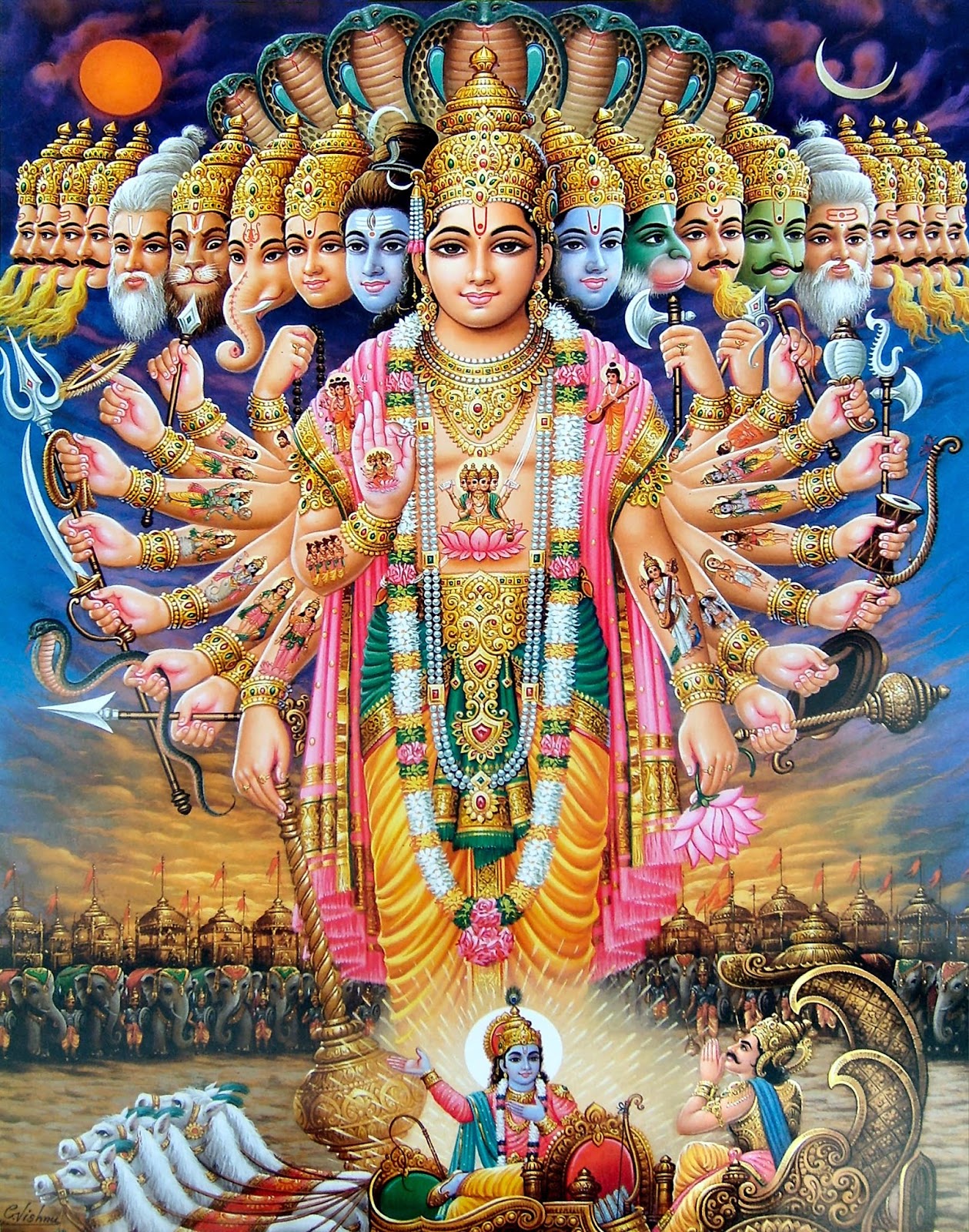
27/07/2018 5. Worship of Sri Krishna has been practised in India from the very commencement of the world’s culture. It is a part of the Veda itself. It is not a new cult. Sri Krishna has become the most common object of worship in the whole of India. Even in Latvia (Europe) hundreds of ladies worship Sri Krishna and repeat His Mantra—OM NAMO BHAGAVATE VASUDEVAYA. Lord Krishna was great in knowledge, great in emotion, great in action, altogether. The scriptures have not recorded any life more full, more intense, more sublime, more grand than His. Though Lord Krishna appeared in human form, He had an Aprakritika, divine body. He did not take any birth. He did not die. He appeared and disappeared through His Yoga Maya. This is a secret, known only to His devotees, Yogis and sages. Lord Krishna has played various parts during His stay in the world. He drove the chariot of Arjuna. He was an unparalleled statesman. He was a master musician. He gave lessons to Narada in the art o...

Lord Krishna : The Supreme Lord - 4.

Image
12/07/2018 4. Salutations to Lord Krishna, the Supreme Lord, who is the Indweller of our hearts, who is Existence Absolute, Knowledge Absolute, Bliss Absolute, who is the Soul of this universe, who bestows Immortality on His devotees, who is the source for everything and who took a human form for the benefit of the gods and His devotees, to destroy wickedness and to establish righteousness. I bow to that Para Brahman, the Supreme Self, from whom is born this mysterious universe, by whom alone it is upheld, and in whom alone it is dissolved, who is Lord Krishna Himself. Lord Krishna was the highest incarnation of the great Vishnu. He was the unique and crowning incarnation of all. He was the Purna Avatara, the Perfect Incarnation. He had sixteen Kalas or rays. He was a noble scion of the illustrious Yadava dynasty. He was a world-teacher. He was the one Lord of love. He was a lover of men. His divine form holds the heart of India captive in chains even today. The Bhaga...